Why Big Brands Choose Influencers Over TV Ads in 2025
Why Big Brands Pick Influencers Over TV Ads: The New Age of Digital Influence
Why Big Brands Choose Influencers ,For decades, television advertising dominated the marketing world. Every major brand fought for prime-time slots, spending millions to reach a mass audience. But today, the scenario has changed dramatically. Big brands—from global giants like Nike, Apple, and Coca-Cola to fast-growing e-commerce startups—are shifting their budgets from traditional TV advertising to influencer marketing. This shift is not just a trend; it’s a strategic move driven by consumer behavior, technology, and return on investment.
In 2025, the modern customer is digital-first, mobile-driven, and socially connected. This shift in audience attention has made influencers the new powerhouse of brand promotion. Here’s why big brands are choosing influencers over TV ads, and why this approach delivers better results in today’s fast-paced digital world. More Blog post 2026
1. Influencers Offer Hyper-Targeted Reach
TV ads might reach millions of viewers, but they lack precision. Brands often pay for audiences who may not even be relevant to their product. Influencers, on the other hand, offer laser-focused targeting. From fitness enthusiasts and beauty lovers to tech geeks and travel explorers, influencers build communities around specific interests.
Brands collaborate with influencers whose followers match their ideal customer profile. This improves:
- Brand relevance
- Engagement
- Conversions
Instead of broadcasting to everyone, brands now communicate directly with potential buyers.
2. Higher Engagement and Authenticity
One of the biggest reasons influencers outperform TV ads is authenticity. People trust people—not companies. Influencers share personal experiences, opinions, and lifestyle content that feels relatable, not commercial.
When an influencer recommends a product:
- It feels like a friend’s suggestion
- Audiences engage more
- The message feels honest and personalized
TV ads, meanwhile, often feel scripted, pushy, or outdated. In a world that values realness, influencers naturally win.
3. Influencer Marketing Is Cost-Effective
TV campaigns require huge budgets for:
- Production
- Actors
- Studio time
- Broadcast slots
Even a 30-second national TV ad can cost crores. Influencer marketing, however, is far more flexible. Brands can collaborate with:
- Mega influencers
- Micro influencers
- Nano influencers
Depending on the budget and goals, brands only pay for measurable results—engagement, clicks, views, or conversions. This makes influencer marketing a more efficient and budget-friendly option than traditional advertising.
4. Consumers Spend More Time on Social Media Than TV
The media landscape has completely shifted. People today spend hours on:
- YouTube
- TikTok
- Reels & Shorts
With short-form videos dominating attention spans, brands follow the eyeballs. Social media is where people discover new products, trends, and brands—making influencers the best gateway to reach modern audiences. ADVERTISE WITH US HERE
TV viewership, especially among younger generations, continues to drop. As a result, brands choose platforms where customers are most active.
5. Better Analytics and Measurable ROI
One of the biggest downsides of TV advertising is the lack of accurate performance tracking. Brands can’t precisely measure:
- Who watched the ad
- Whether viewers paid attention
- How many bought the product
Influencer marketing solves this. Brands can track:
- Engagement rate
- Click-through rate
- Conversions
- Sales generated
- Audience demographics
This data-driven approach allows companies to optimize campaigns instantly—something that TV can never offer.
6. Faster Execution and Trend Adaptability
TV ads take weeks or months to plan and execute. Influencer campaigns can go live in hours. This speed allows big brands to:
- Jump on viral trends
- Respond to market changes
- Launch seasonal promotions fast
Influencers understand what’s trending and how to creatively integrate brands into their content. This agility gives brands a huge advantage in today’s trend-focused digital environment.
7. Storytelling That Feels Real, Not Scripted
Influencers are master storytellers. They know how to showcase products in:
- Everyday life
- Tutorials
- Reviews
- Challenges
- Lifestyle videos
This natural integration builds emotional connection and makes the product more memorable. TV ads often fail to create the same impact because they feel too polished or distant.
8. Influencers Drive Higher Conversion Rates
Because followers trust influencers, product recommendations lead to stronger intent and higher conversion. Whether it’s a fashion brand, a skincare product, or a new smartphone, influencer endorsements often turn into real sales.
Brands see:
- Better ROI
- Higher repeat customers
- Stronger brand loyalty
This direct impact on revenue makes influencers extremely valuable.
Conclusion: The Future Belongs to Influencers
Big brands are not abandoning TV ads entirely, but influencer marketing is becoming the dominant force in the advertising world. With authentic storytelling, targeted reach, cost efficiency, and measurable performance, influencers offer what traditional methods cannot.
As long as customers continue to spend their time online—and trust the personalities they follow—brands will continue choosing influencer partnerships over TV commercials.
Influencer marketing isn’t just the future; it’s the present. And brands that adapt early gain a powerful competitive edge.
-
Local Digital Marketing for Small Businesses: How to Get More Customers in Your City
By Ad Campaign – Digital Marketing Agency & Online Services in Manipur For small businesses, getting customers from your own city can be more valuable than reaching thousands of people who are unlikely to visit your business. Whether you operate a local shop, restaurant, hotel, clinic, coaching centre, retailer, salon, or professional service, local digital…
-
Digital Marketing for Healthcare: How Doctors and Clinics Can Attract More Patients Online
Today, patients increasingly use Google, social media, and online reviews to find doctors, clinics, hospitals, and healthcare services. For healthcare professionals, having a strong online presence is no longer optional. Digital marketing for healthcare can help doctors and clinics improve visibility, build trust, generate enquiries, and attract new patients. A well-planned digital marketing strategy combines…
-
Web Design & Digital Marketing Agency in Churachandpur, Lamka, Manipur
Grow Your Business Online with Professional Web Design & Digital Marketing Digital Marketing Agency in Churachandpur Ad Campaign is a web design and digital marketing agency in Churachandpur, Lamka, Manipur, helping local businesses, entrepreneurs, online sellers and content creators build a strong online presence. We help businesses attract more customers, generate enquiries, grow online sales…
-
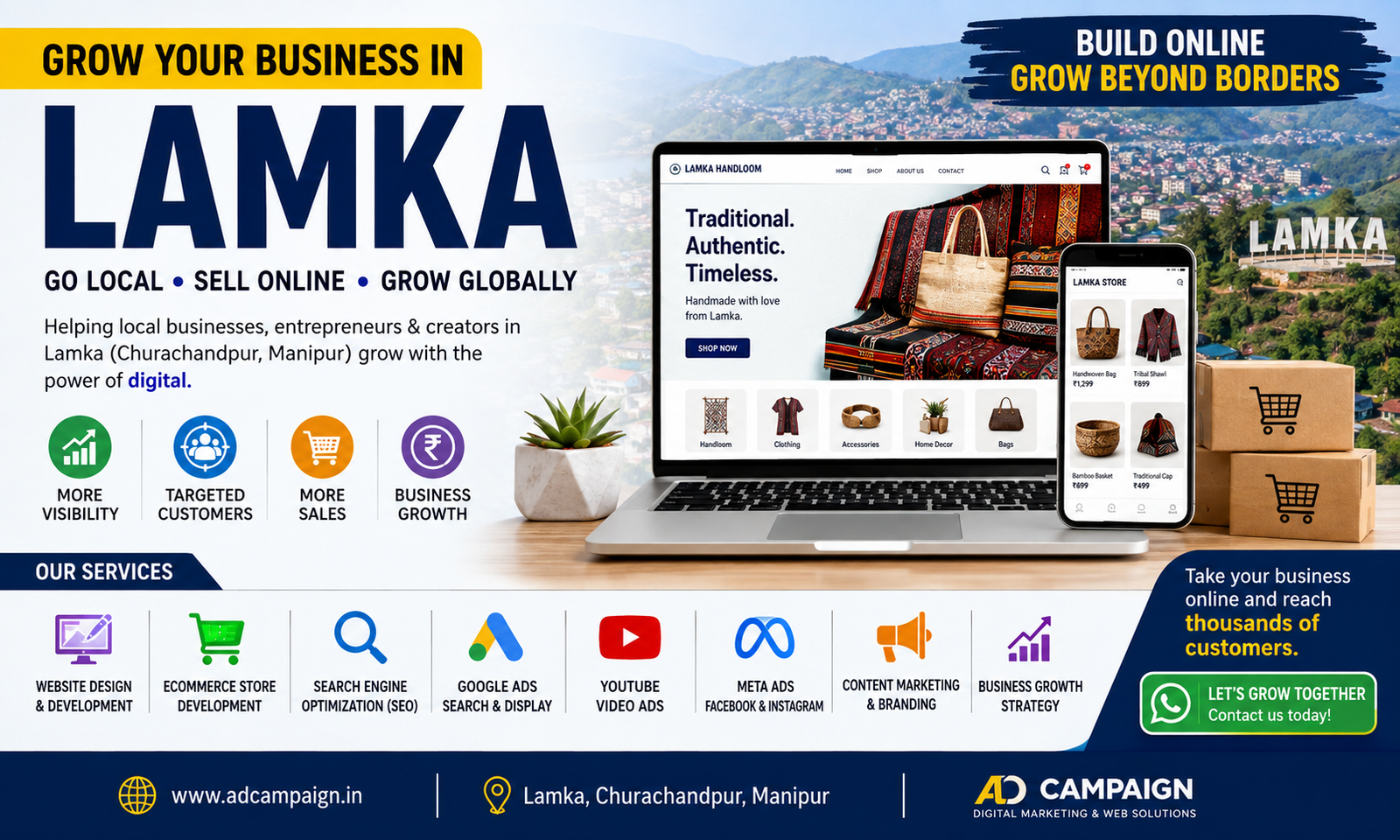
Grow Your Business in Lamka with Digital Marketing, eCommerce & Website Design
Meta Title: Grow Your Business Online in Lamka | Website Design & Digital Marketing Meta Description: Discover how businesses in Lamka (Churachandpur, Manipur) can grow through website design, eCommerce stores, SEO, Google Ads, YouTube advertising, and Meta Ads. Start your online journey today with Ad Campaign. Why Lamka Businesses Should Go Digital Lamka (Churachandpur, Manipur)…
-
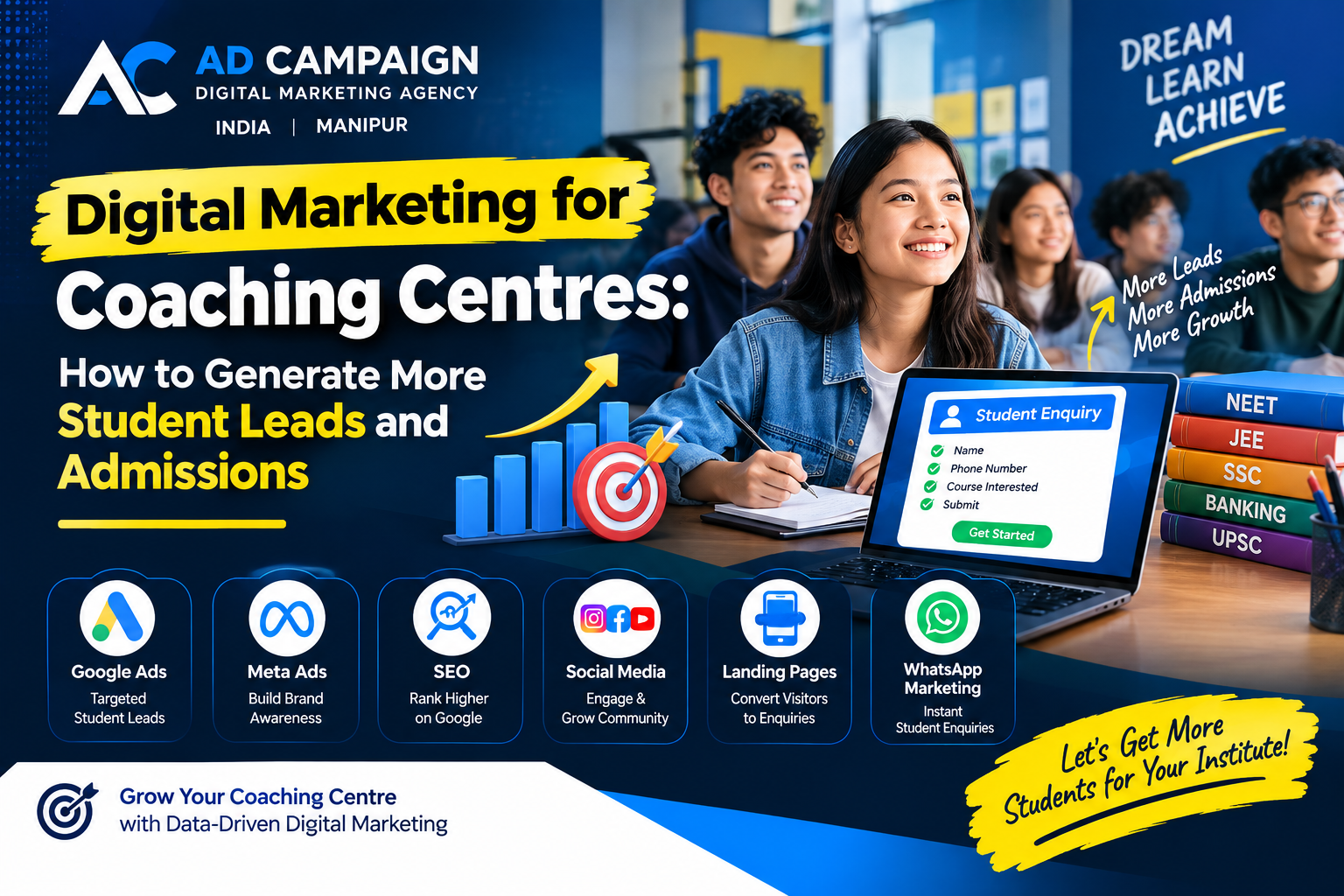
Digital Marketing for Coaching Centres: How to Generate More Student Leads and Admissions
By George Simte – Digital marketing Expert For coaching centres, tuition institutes, competitive-exam academies, and professional training institutes, attracting students is no longer limited to banners, newspaper advertisements, and word-of-mouth referrals. Today, students and parents search online before choosing where to study. This makes digital marketing for coaching centres an important part of student acquisition…
-
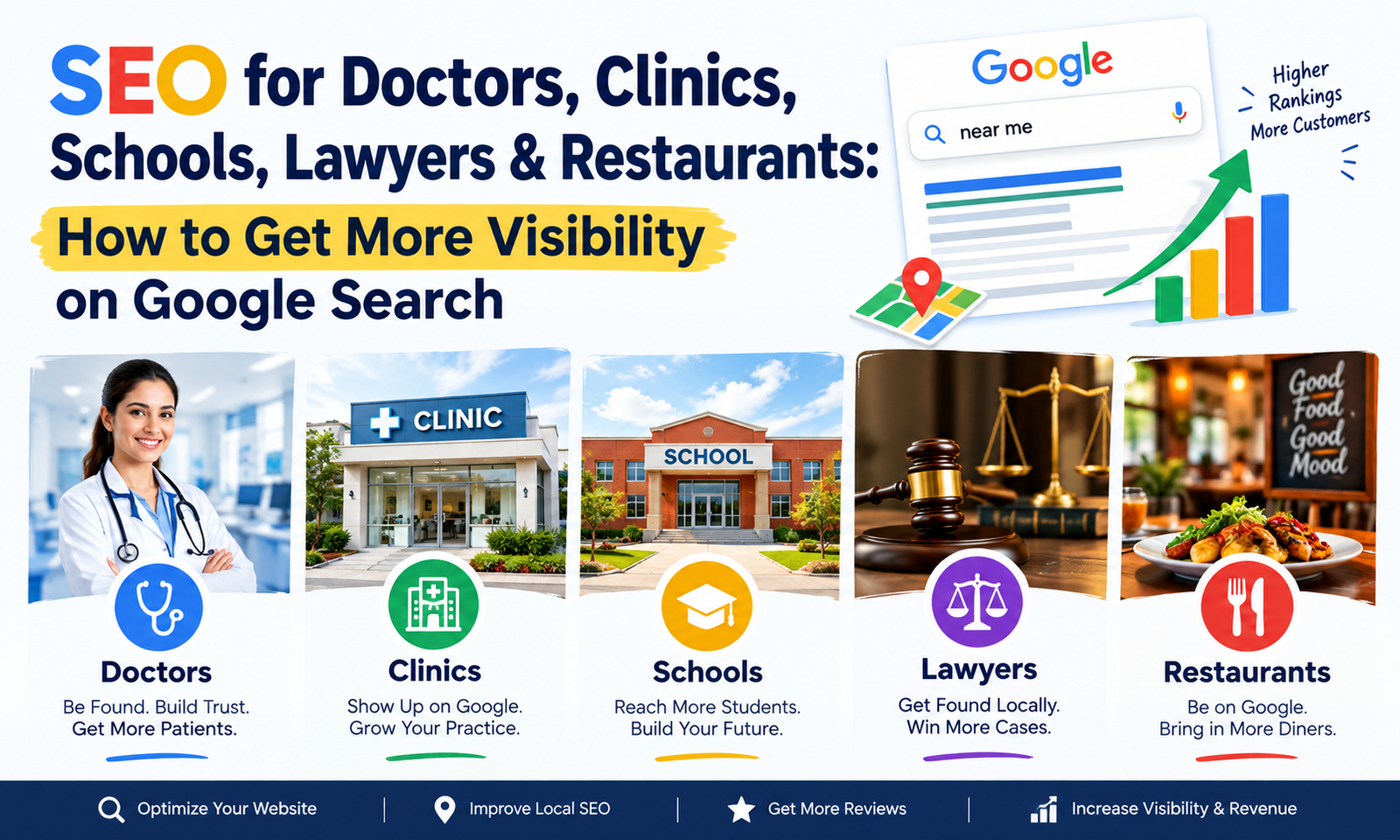
SEO for Doctors, Clinics, Schools, Lawyers & Restaurants: How to Get More Visibility on Google Search
When people need a doctor, lawyer, school, restaurant, shopping mall, or other local business, they often turn to Google Search. Appearing prominently in search results can help businesses increase visibility, website traffic, enquiries, calls, visits, and potential customers. SEO for local businesses focuses on improving a website and online presence so that people can discover…
-
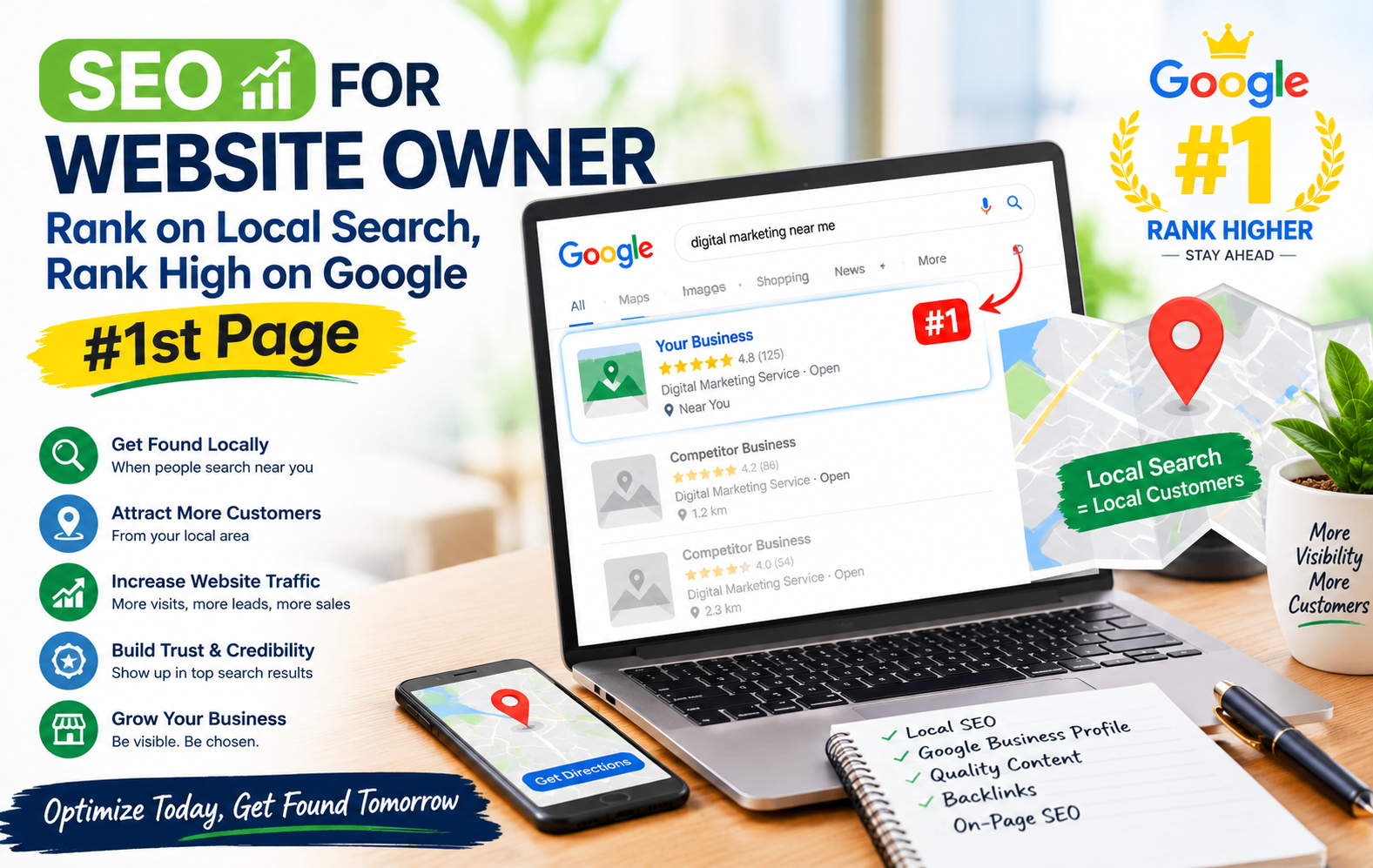
SEO Service in Churachandpur, Manipur: Grow Your Business on Google
In today’s digital marketplace, customers often search Google before choosing a local business. Whether they are looking for a restaurant, hotel, clinic, coaching institute, shop, professional service, or digital marketing agency, appearing prominently in local search can help businesses reach people who are actively looking for their products or services. SEO service in Churachandpur Ad…
-
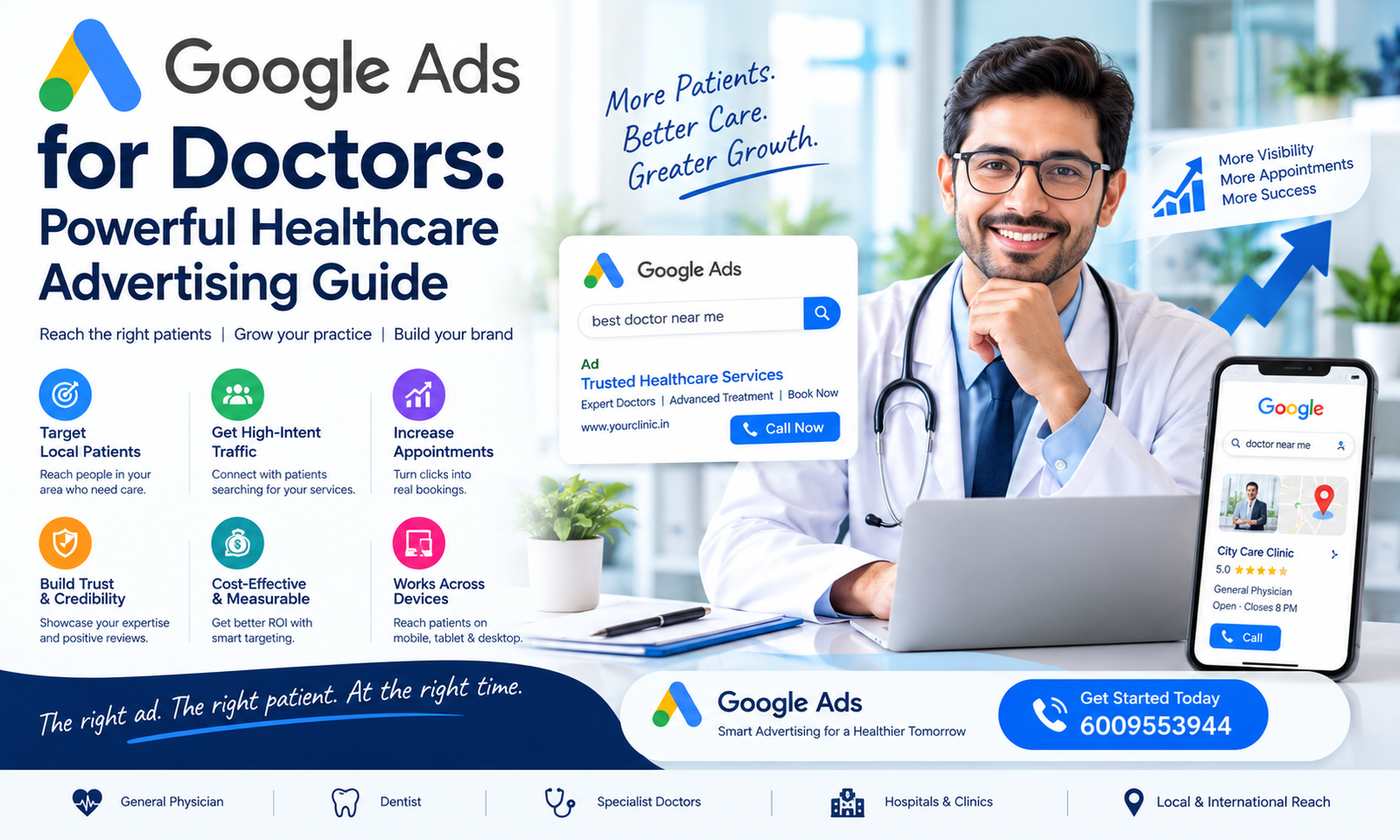
Google Ads for Doctors, Hospitals & Clinics: A Beginner’s Guide to Healthcare Advertising
When people need a doctor, hospital, diagnostic service, or specialist, Google is often one of the first places they search. For healthcare businesses, Google Ads for doctors, hospitals, and clinics can provide an opportunity to reach people who are actively looking for relevant healthcare services. However, healthcare advertising requires a careful approach. Advertisements should be…
-
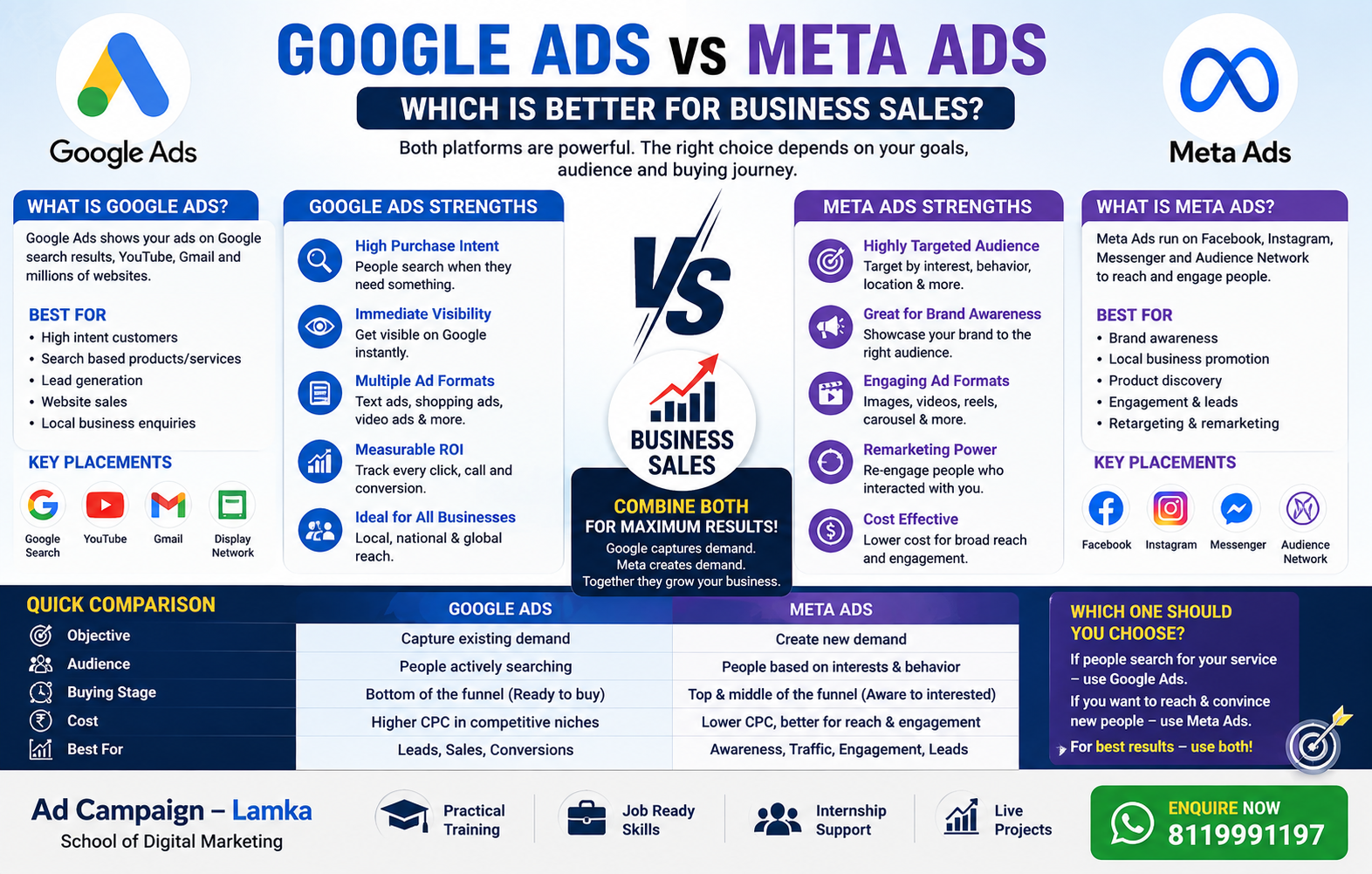
Google Ads vs Meta Ads: Which Is Better for Business Promotion and Sales Growth?
Google Ads vs Meta Ads for business, Businesses today have more opportunities than ever to reach customers online. However, choosing the right advertising platform can be challenging. Two of the most powerful platforms are Google Ads and Meta Ads. Both can help businesses generate leads, increase website traffic, promote products and grow sales, but they…