Complete SEO Checklist: On-Page SEO, Off-Page SEO & Technical SEO for Higher Google Rankings
Search Engine Optimization (SEO) is one of the most effective digital marketing strategies for increasing website visibility, generating organic traffic, and attracting potential customers. However, successful SEO requires a combination of On-Page SEO, Off-Page SEO, and Technical SEO.
In this guide, we’ll cover the essential SEO checklist every website owner, blogger, ecommerce store, and business should follow to improve search engine rankings.
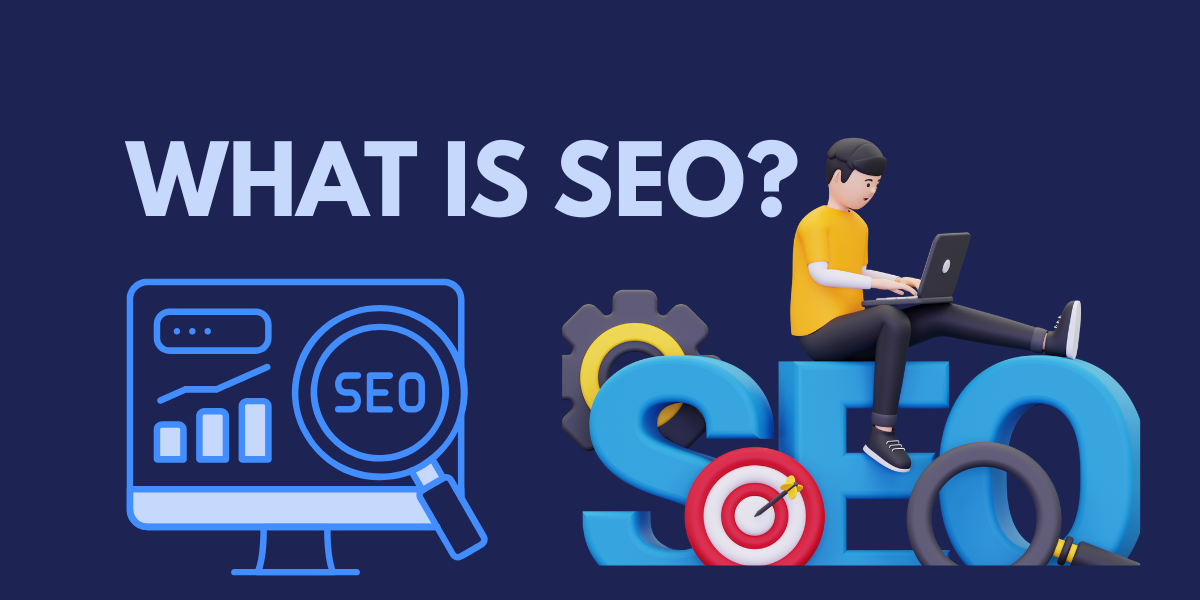
What is SEO?
SEO (Search Engine Optimization) is the process of optimizing a website to rank higher in search engine results pages (SERPs). The primary goal is to increase organic traffic by making a website more relevant, trustworthy, and user-friendly.
On-Page SEO Checklist
On-Page SEO refers to optimizations made directly on your website pages.
1. Keyword Research
Before creating content, identify keywords your audience is searching for.
Best practices:
- Target primary keywords
- Use long-tail keywords
- Analyze competitor keywords
- Focus on search intent
2. Optimize Title Tags
Your title tag is one of the strongest ranking factors.
Example:
“SEO Services in Lamka | Professional SEO Agency”
Tips:
- Keep under 60 characters
- Include primary keyword
- Make it compelling
3. Write Meta Descriptions
A good meta description improves click-through rates.
Tips:
- Keep between 150–160 characters
- Include target keywords
- Add a call-to-action
4. Use Proper Heading Structure
Organize content using:
- H1 (Main title)
- H2 (Main sections)
- H3 (Subsections)
This improves readability and SEO.
5. Create High-Quality Content
Google prioritizes useful content that satisfies user intent.
Focus on:
- Original content
- In-depth explanations
- Updated information
- Expert insights
6. Optimize Images
Image optimization improves page speed and accessibility.
Checklist:
- Compress images
- Add descriptive file names
- Use ALT text
- Convert images to WebP format
7. Internal Linking
Link related pages and blog posts.
Benefits:
- Improves crawling
- Increases page authority
- Enhances user experience
8. SEO-Friendly URLs
Good URL:
yourdomain.com/seo-services
Bad URL:
yourdomain.com/page?id=123
Keep URLs short and keyword-rich.
9. Mobile Optimization
Ensure your website works perfectly on:
- Smartphones
- Tablets
- Desktop devices
10. Content Readability
Improve readability by:
- Using short paragraphs
- Bullet points
- Simple language
- Clear formatting
Off-Page SEO Checklist
Off-Page SEO focuses on building authority and trust outside your website.
1. Build High-Quality Backlinks
Backlinks remain one of Google’s strongest ranking factors.
Get links from:
- Industry blogs
- News websites
- Business directories
- Educational websites
2. Guest Posting
Write articles for relevant websites in your industry.
Benefits:
- Brand exposure
- Referral traffic
- Quality backlinks
3. Local SEO Citations
List your business on:
- Google Business Profile
- Bing Places
- Yelp
- Industry directories
Ensure NAP consistency:
- Name
- Address
- Phone Number
4. Social Media Marketing
Promote content on:
- X (Twitter)
Social signals help increase visibility.
5. Online Reviews
Positive reviews improve trust and local rankings.
Encourage satisfied customers to leave reviews.
6. Influencer Outreach
Partner with industry influencers to increase reach and brand awareness.
7. Brand Mentions
Even unlinked brand mentions can contribute to online authority.
Monitor mentions regularly.
8. Forum Participation
Provide valuable answers on:
- Quora
- Industry communities
Avoid spammy link building.
Technical SEO Checklist
Technical SEO ensures search engines can crawl, index, and understand your website.
1. Improve Website Speed
Fast-loading websites rank better.
Optimize:
- Images
- CSS
- JavaScript
- Hosting performance
2. Secure Website with HTTPS
Install an SSL certificate.
Benefits:
- User trust
- Better rankings
- Data security
3. XML Sitemap
Create and submit XML sitemaps to Google Search Console.
This helps search engines discover pages faster.
4. Robots.txt Optimization
Use robots.txt to control crawler access.
Ensure important pages are not blocked.
5. Fix Broken Links
Regularly check for:
- 404 errors
- Redirect chains
- Broken internal links
6. Mobile-Friendly Design
Google uses mobile-first indexing.
Your site must perform flawlessly on mobile devices.
7. Structured Data (Schema Markup)
Add schema markup for:
- Articles
- Products
- FAQs
- Reviews
- Local Businesses
Schema can improve search visibility through rich snippets.
8. Canonical Tags
Prevent duplicate content issues using canonical URLs.
9. Crawl Error Monitoring
Monitor issues through Google Search Console.
Common problems:
- Indexing errors
- Crawl anomalies
- Duplicate pages
10. Core Web Vitals Optimization
Focus on:
- Largest Contentful Paint (LCP)
- Interaction to Next Paint (INP)
- Cumulative Layout Shift (CLS)
These metrics directly impact user experience and rankings.
Final Thoughts
SEO success requires a balanced strategy that combines On-Page SEO, Off-Page SEO, and Technical SEO. While On-Page SEO helps search engines understand your content, Off-Page SEO builds authority, and Technical SEO ensures your website performs efficiently.
By implementing this complete SEO checklist, businesses can improve rankings, increase organic traffic, generate more leads, and achieve long-term online growth. Remember that SEO is not a one-time task—it is an ongoing process that requires continuous optimization, monitoring, and adaptation to search engine updates.
- SEO for Doctors, Clinics, Schools, Lawyers & Restaurants: How to Get More Visibility on Google Search
- Local Digital Marketing for Small Businesses: How to Get More Customers in Your City
- SEO Service in Churachandpur, Manipur: Grow Your Business on Google
- Google Ads for Doctors, Hospitals & Clinics: A Beginner’s Guide to Healthcare Advertising
- Digital Marketing for Healthcare: How Doctors and Clinics Can Attract More Patients Online

Digital marketing skills test
🧠 Test your digital marketing knowledge! Discover how well you understand SEO, Google Ads, Meta Ads, content marketing, social media, and lead generation. Take our quick business marketing quiz and identify opportunities to grow your brand, traffic, and sales online. 🚀