AEO vs GEO vs SEO: Complete Guide to Modern Search
AEO, GEO, and SEO: What They Mean and Why They Matter in 2025
In the fast-evolving digital landscape, brands must optimize their online presence using multiple strategies. Three powerful approaches gaining attention today are AEO (Answer Engine Optimization), GEO (Generative Engine Optimization), and SEO (Search Engine Optimization). While SEO focuses on ranking in traditional search engines, AEO and GEO are rising due to AI search tools like ChatGPT, Google Gemini, Perplexity, and Bing Copilot. Understanding all three helps businesses stay competitive and future-ready.
What is AEO (Answer Engine Optimization)?
AEO is the process of optimizing content for AI answer engines that provide direct, concise answers instead of showing long lists of websites. It focuses on structured data, Q&A content, featured snippets, schema markup, and conversational search patterns.
AEO helps your brand appear in AI-generated responses.
What is GEO (Generative Engine Optimization)?
GEO is a 2025 trend where marketers optimize content for generative AI platforms. These tools create answers, summaries, and insights from various online sources. GEO includes enhancing content clarity, authority, citations, and machine-readable formats so AI systems pick your content when generating responses.
What is SEO (Search Engine Optimization)?
SEO is the traditional practice of improving website visibility on search engines like Google. It includes keyword research, on-page optimization, backlinks, site speed, mobile performance, technical SEO, and high-quality content.
SEO remains the foundation of online marketing.
Why All Three Are Important
- SEO improves traffic and rankings.
- AEO improves your visibility in AI answers and voice searches.
- GEO improves how AI tools use and recommend your content.
Using all three ensures your business stays visible across Google Search, AI chatbots, and generative search platforms.
FAQs on AEO, GEO, and SEO

School website
George simteJUST HIGHLIGHTS ONLY EDIT ANY TIMES FOR REAL PROJECTS School Admission 2026 Lamka Senior Secondary…

Create store to sell online
George simteJUST SHOWCASE ONLINE STORE Ecommerce Store SHOPIFY STORE Home Products Contact Shop Smart, Live Better…
“Boost Your Immunity Naturally: Best Wellness Products to Buy Online”
George simteWELLNESS WEBSITE FOR BUSINESS Wellness Care 🌿 WellnessCare Home Services Contact Transform Your Health &…
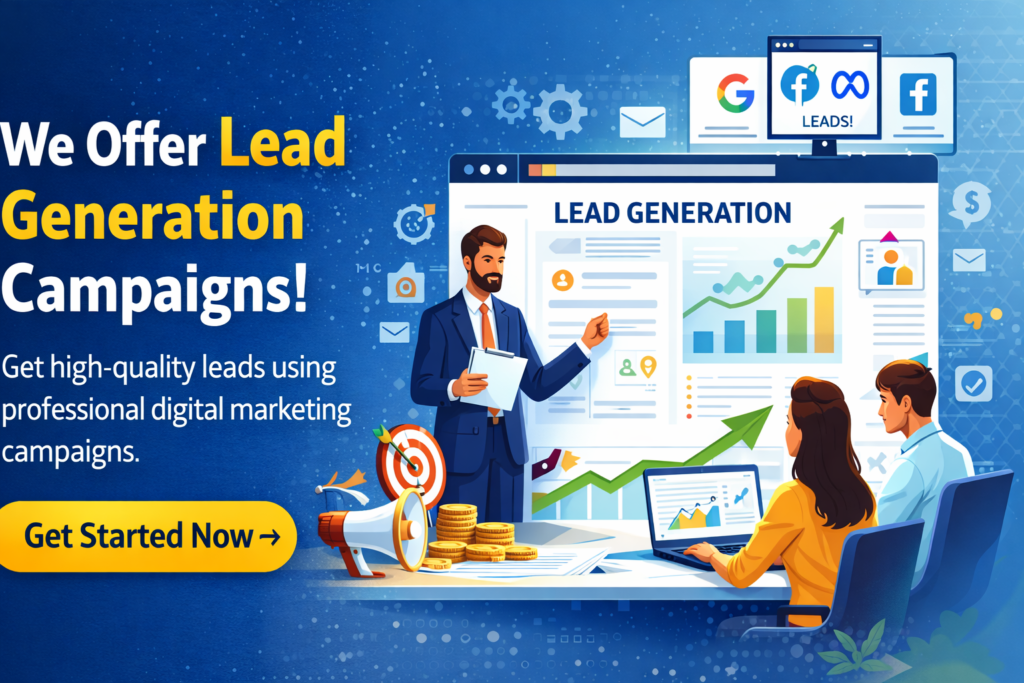
Ad mockup creative-design
George simteSocial Media Ads Campaign By Ad Campaign Digital Marketing Agency with George Simte Explore real…
Why digital marketing for online business?
George simteBest Digital Marketing & Web Design Services in India We Help Businesses, Content Creators &…
Digital Marketing Agency online services
George simteAd Campaign – Digital Marketing Agency for Businesses, Doctors, Lawyers, NGOs & Schools In today’s…